The Bean Life Science Museum's summer camp programs ended with a blast as we rolled out our first ever Biology
Boot Camp! This camp ran Monday through Friday, from 10AM to 3PM. This summer we were able to provide
Biology Boot Camp for two weeks in July. The theme for the camp involved learning about the different types of
living organisms we have on Earth and how we can do our part to help protect them for future generations. This
was done through games, activities, lessons, and field trips. The main living things discussed included reptiles,
amphibians, birds, mammals, fish, plants, and insects.


On Monday, the theme for the day involved reptiles, amphibians and birds. First, the campers learned what makes
something a reptile, and the difference between reptiles and amphibians. The kids learned firsthand how heat
vision in snakes work, how reptiles and amphibians shed their skin, how to protect sea turtle eggs, and how these
animals use camouflage to blend into their environment. They even got to meet a live snake, frog, and lizard! In
regard to birds, the campers learned how birds fly, what their feathers are used for, and how the differences in bird
beaks are adapted for the different foods they eat. We even had a huge presentation where live parrots, conures,
cockatoos, owls, hawks, and falcons came to visit the kids! Afterwards, they were able to have the unique
opportunity to dissect owl pellets, and take their bone findings home.


and what the hair of a mammal is used for. They also learned about the blubber from marine mammals, echolocation
in dolphins and bats, the different groups of mammals, and how their teeth can showcase whether they are an
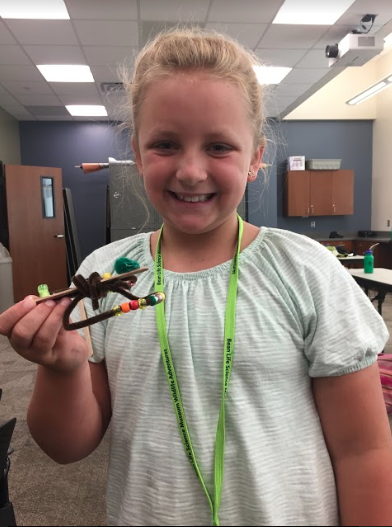
herbivore, omnivore, or carnivore. They also learned what makes something a fish, and were able to make their
own fish out of clay and craft items! They also learned about fish life cycles, how fish are able to float, and the
different ways they hunt and camouflage themselves. At the end, the campers split up into groups to learn about
a fun fish, put together a poster, and present to the class what they learned.

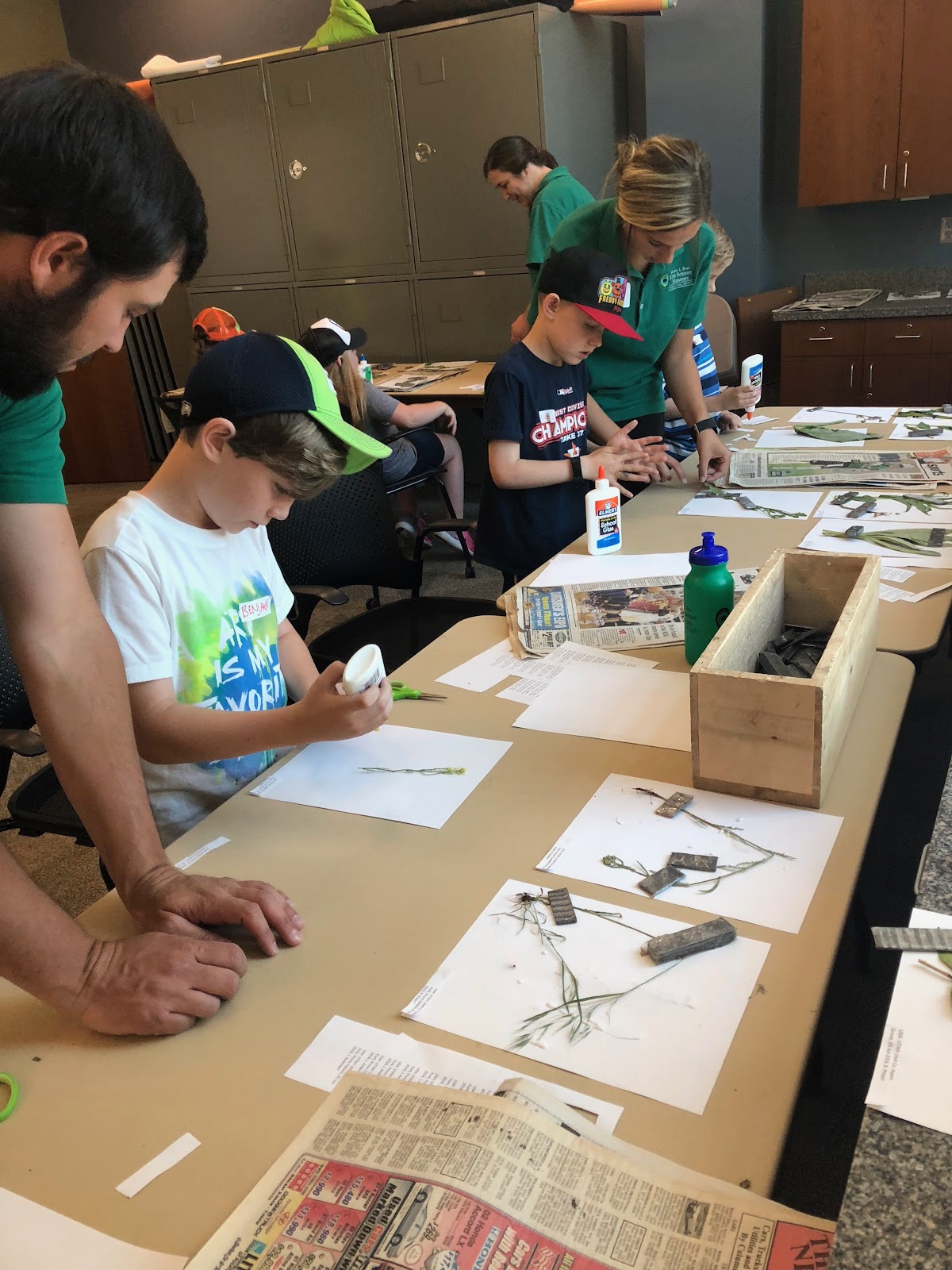
the different parts of the plant, why they need photosynthesis to survive, the variations in leaf types, and the need
plants have for pollination. The kids were able to see how xylem and phloem works through a fun experiment
involving flowers, food coloring, highlighters, and black lights. They found out that when a flower soaks up food
coloring or highlighter, it will absorb the color into their petals, and even glow! The kids also took their newfound
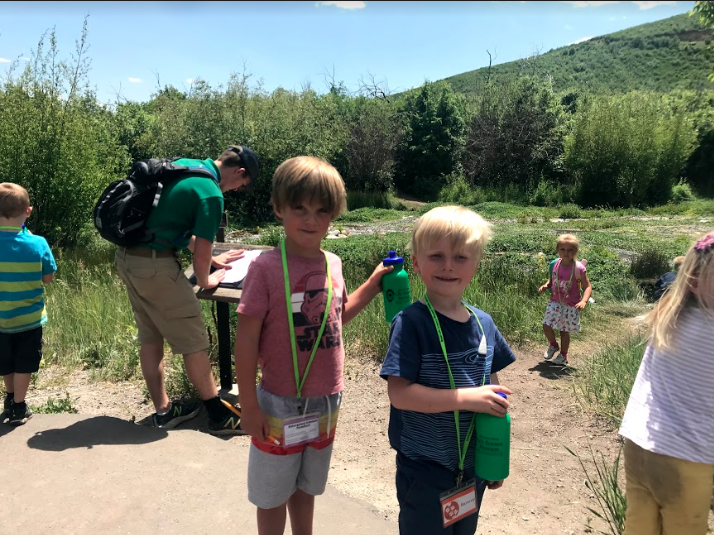
knowledge of plants and visited Ashton Gardens at Thanksgiving Point, to try to find as many plants as possible.


were also able to see them up close and personal underneath microscopes! They learned what each part of an
insect's body is used for, what food they eat, and how they positively impact our world. The campers had the
opportunity to learn all about ant colonies, and the different jobs each ant has to ensure the survival of their
species. This was reinforced through a game where the campers had to communicate like an ant, and go on a
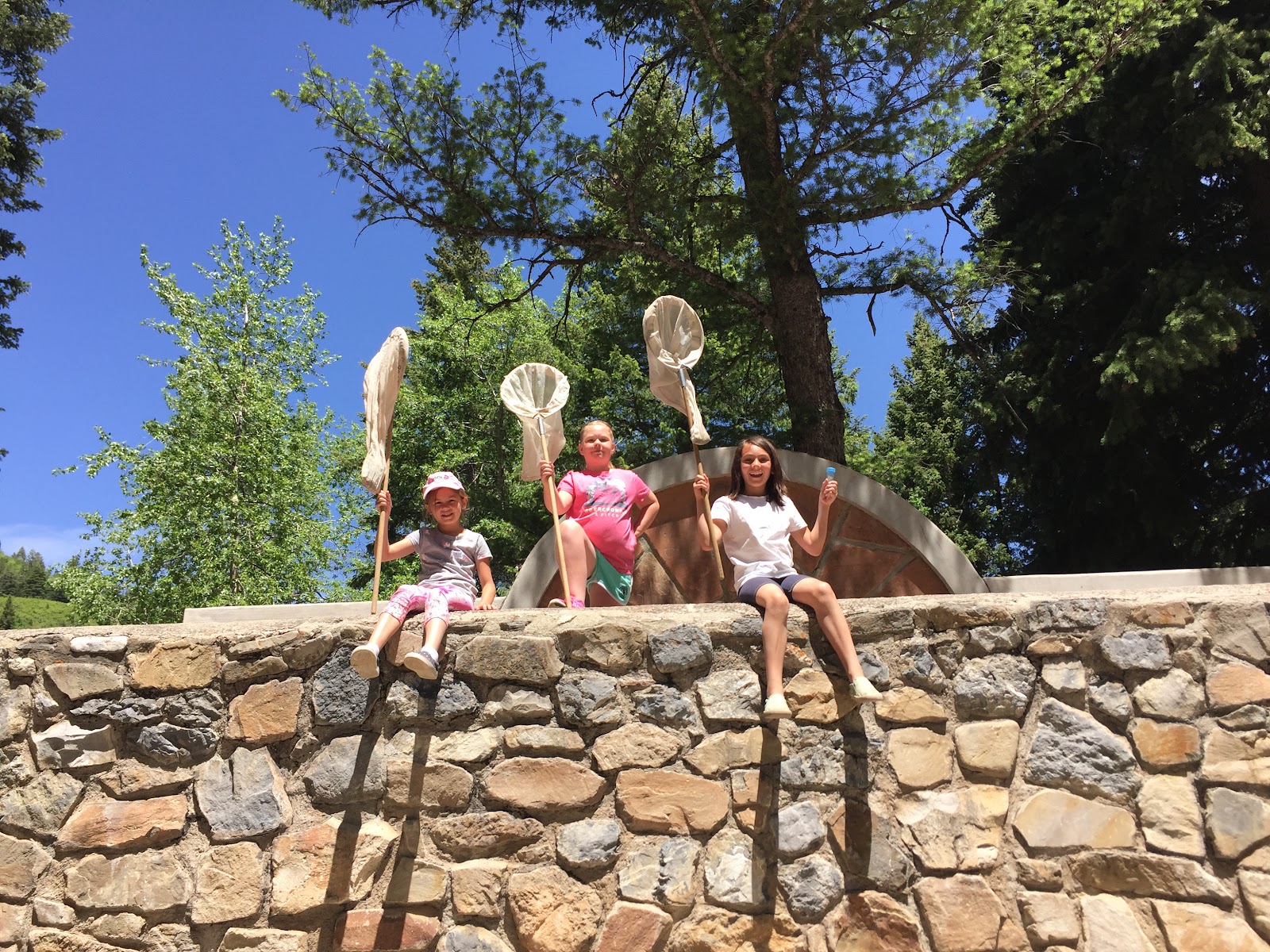
scavenger hunt to find the "food" they need to survive. Afterwards, they visited Bicentennial Park to catch and
identify as many insects as possible.




Lastly, on Friday, the campers were able to combine all of their knowledge from the previous days, and visit
Hogle Zoo. They had the opportunity to see lions and tigers and bears, oh my! All kidding aside, they were
able to see all of the animals and plants that we had discussed throughout the week up close and personal in
a fun and educational environment.Who knew learning could be so fun?!
able to see all of the animals and plants that we had discussed throughout the week up close and personal in
a fun and educational environment.Who knew learning could be so fun?!


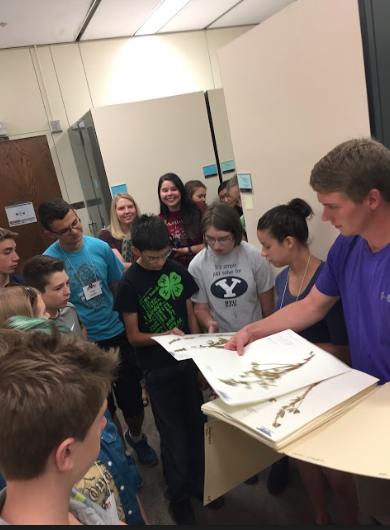
As an extra special treat, during the four days the campers learned about the different types of living things, they
were able to have the unique opportunity to gain V.I.P access to the museum's research collections. The kids
were able to visit with real scientists and researchers to learn why the museum has collections and why they are
important for conservation and protection of each species. All of the campers were able to leave the collections
with a greater understanding of the behind the scenes work the Bean Life Science Museum does on a daily basis.


and interacting with one another. Don't be surprised if you see more Biology Boot Camps happening in future
summers! It looks like it may be a keeper! Thank you to everyone who supported us this year through all of our
camp programs. We enjoyed our time teaching all of your children about our wonderful Earth! If you would like to
be notified of future summer camp programs, sign up for our emailing list found on our website at mlbean.byu.edu.